
Mending the Broken: The Intersection of Christian Compassion and Inner Healing

Brokenness is part of the human experience. Whether through addiction, trauma, or mental health struggles, many people find themselves carrying invisible wounds that weigh heavily on their hearts. Yet in the midst of pain, there is hope. At The Art of Servant Leadership, we believe that healing begins with compassion—Christlike compassion that reaches beyond surface symptoms to restore the soul. When faith and professional care come together, true inner healing becomes possible.


Understanding Brokenness and the Need for Healing

Addiction and emotional distress often begin with deep internal wounds—pain that may come from loss, betrayal, or unresolved trauma. These wounds, when left unaddressed, can lead to unhealthy coping mechanisms and self-destructive behaviors. Recognizing this truth is the first step toward recovery.

At The Art of Servant Leadership, our holistic, faith-based approach focuses on treating the whole person, not just the behavior. We provide compassionate care that combines clinical therapy, spiritual guidance, and personalized recovery planning. By addressing both the mind and the spirit, we help individuals reconnect with their sense of worth and rediscover the strength to rebuild their lives.


The Power of Christian Compassion in Recovery

Christian compassion is more than sympathy. It is the active expression of love, patience, and understanding—the same love Christ showed to the broken and the lost. For individuals in recovery, experiencing that kind of compassion can be life-changing.

How Compassion Promotes Inner Healing

  • Restoring Dignity: Compassion reminds people that they are more than their struggles and that their lives still hold meaning.
  • Breaking Shame: Through grace and acceptance, individuals learn to let go of guilt and embrace forgiveness.
  • Building Trust: Compassion fosters connection, creating a safe space for vulnerability and honest growth.

At The Art of Servant Leadership, our counselors and mentors embody these principles, walking alongside each person with empathy and faith.


A Holistic Path Toward Wholeness

Inner healing is not just emotional recovery—it is a process of aligning the heart, mind, and spirit. Our programs combine proven therapeutic methods with spiritual disciplines to help individuals experience true transformation.

Key Elements of Faith-Based Healing

  • Prayer and Reflection: Encourages peace and clarity amid emotional turmoil.
  • Scripture-Centered Counseling: Helps individuals replace negative beliefs with the truth of God’s love and purpose.
  • Community Fellowship: Provides connection and accountability in a supportive, faith-driven environment.

Whether through inpatient or outpatient programs, our approach is designed to meet each individual where they are, providing the tools and support needed for lasting recovery.


Restoring Hope Through Servant Leadership

Healing happens most deeply in the presence of love and understanding. The heart of servant leadership is humility and compassion—seeing the value in others and walking with them toward restoration. By serving with Christ’s heart, we help individuals rebuild not only their lives but also their sense of purpose and identity.


Healing Starts with Compassion

Brokenness does not have to define your story. Through Christian compassion, professional care, and the power of faith, healing and wholeness are within reach. At The Art of Servant Leadership, we are committed to guiding individuals from pain to peace through personalized, faith-based recovery programs.

If you or a loved one is struggling with addiction or emotional pain, we invite you to reach out today. Together, we can begin the journey of mending the broken and restoring hope through the compassionate love of Christ.
The Church as a Healing Place: Nurturing Recovery Through Christlike Care

The journey of recovery from addiction and mental health challenges is never simple, and for many, it can feel overwhelming. Yet, when faith and compassion guide the process, healing becomes more than treatment—it becomes transformation. At The Art of Servant Leadership, we believe the church is not just a place of worship but also a sanctuary of healing. Rooted in Christlike care, the church community can play a powerful role in nurturing recovery and restoring hope.


The Church’s Role in Healing and Recovery

The church has long been a refuge for the weary, offering comfort and guidance during times of crisis. For those struggling with addiction or mental health challenges, the church can provide more than prayer. It can be a place of accountability, fellowship, and practical support.

By embracing Christ’s example of love and compassion, churches can walk alongside individuals in recovery. This support may involve providing spiritual encouragement, partnering with professional recovery services, and offering safe spaces where individuals can share their struggles without fear of judgment.


Integrating Faith with Professional Care

While prayer and spiritual growth are essential, recovery often requires structured treatment and therapeutic guidance. That is why The Art of Servant Leadership integrates faith with professional care through both inpatient and outpatient programs.

A Holistic Approach to Recovery

  • Spiritual Growth: Faith practices like prayer, worship, and scripture reflection provide strength and resilience.
  • Evidence-Based Therapies: Counseling, group therapy, and individualized treatment address the emotional and psychological aspects of recovery.
  • Community Support: Churches and peer groups reinforce accountability and foster belonging.

This holistic model ensures that every dimension of a person’s life—body, mind, and spirit—is supported on the journey to healing.


Building Christlike Communities of Care

Christ’s ministry was defined by compassion, reaching out to those who were hurting and offering restoration. Churches today are called to do the same. By cultivating an atmosphere of acceptance and understanding, congregations can reduce the stigma often attached to addiction and mental illness.

Practical Ways Churches Can Support Recovery

  • Education and Awareness: Teaching congregations about addiction and mental health helps foster empathy and breaks down stereotypes.
  • Support Groups: Hosting recovery groups within the church provides ongoing encouragement and accountability.
  • Partnerships with Recovery Centers: Collaborating with organizations like The Art of Servant Leadership ensures access to professional and faith-based resources.

Through these efforts, the church becomes not only a spiritual home but also a true healing place.


A Path Toward Wholeness

Healing through Christlike care is not about quick fixes but about long-term transformation. By combining faith, fellowship, and professional support, individuals are empowered to overcome the chains of addiction and mental distress. The church’s presence in this journey reminds each person that they are loved, valued, and capable of renewal.


A Call to Compassionate Action

The church has the unique opportunity to stand as a beacon of hope for those seeking recovery. Through Christlike compassion, holistic support, and a commitment to walking alongside the struggling, churches can help transform lives. At The Art of Servant Leadership, we are dedicated to this mission, offering faith-based, individualized care that meets people where they are and guides them toward lasting wholeness.

If you or someone you love is ready to begin the journey to recovery, we invite you to reach out today. Healing is possible, and with Christ’s love, every broken life can be restored.

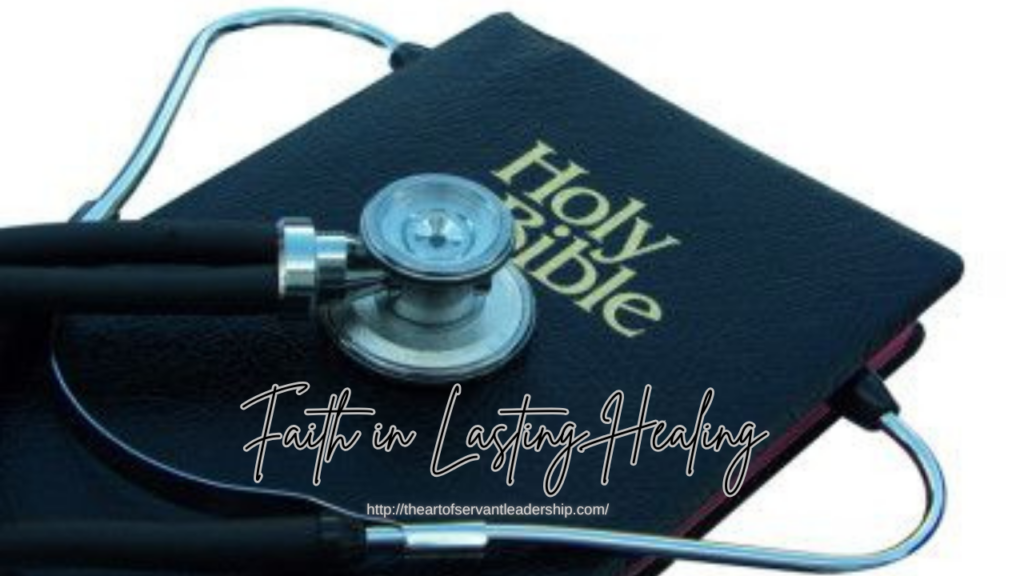
Faith as Medicine: How Christian Love Transforms Lives in Recovery

Recovery from addiction and mental health struggles is a journey that requires more than medical treatment alone. At The Art of Servant Leadership, we recognize that healing happens most profoundly when faith and compassion are at the center of care. Christian love provides a source of strength, hope, and transformation that empowers individuals to move beyond pain and reclaim their lives. Through holistic, faith-based approaches combined with professional addiction and mental health treatment, lasting recovery becomes not only possible but deeply meaningful.


The Role of Faith in Lasting Healing

Faith can act as a form of medicine, addressing wounds that traditional treatment alone cannot reach. Belief in something greater than oneself fosters hope, reduces feelings of isolation, and strengthens resilience. At The Art of Servant Leadership, we integrate spiritual support with evidence-based therapies to create a comprehensive recovery program.

Spiritual Practices That Support Recovery

  • Prayer and Meditation: Provide inner peace and clarity during challenging moments.
  • Scripture Reflection: Encourages self-worth, forgiveness, and a renewed sense of purpose.
  • Faith-Based Counseling: Helps individuals confront guilt and shame while embracing grace and transformation.

By combining these practices with professional counseling and therapy, clients develop coping strategies that address both the emotional and spiritual dimensions of recovery.


Compassionate Community as a Healing Force

Recovery is not meant to be a solitary journey. Fellowship and connection are essential to sustained healing. Our programs emphasize community support, reflecting the example of Christ’s love in practical ways.

Building Recovery Through Fellowship

  • Group Therapy: Offers a safe space for sharing experiences, reducing shame, and learning from others’ journeys.
  • Peer Mentorship: Provides guidance and encouragement from individuals who have successfully navigated recovery.
  • Family Engagement: Rebuilds trust, strengthens relationships, and encourages healing within the family unit.

Being part of a supportive community instills hope and accountability, key elements that reinforce faith-driven recovery.


Holistic and Individualized Care

At The Art of Servant Leadership, we understand that each person’s path to recovery is unique. That is why we offer both inpatient and outpatient care, allowing treatment to fit the individual’s lifestyle and needs.

  • Inpatient Programs: Structured, immersive care for individuals requiring intensive support.
  • Outpatient Programs: Flexible treatment options that allow clients to maintain daily responsibilities while engaging in therapy, spiritual guidance, and support groups.

Holistic care addresses the mind, body, and spirit, combining clinical therapy, wellness activities, spiritual practices, and life skills development to create a balanced and sustainable recovery plan.


Transformative Power of Christian Love

Christian love transforms lives by providing acceptance, understanding, and hope. Clients are reminded that they are not defined by past mistakes but by the potential for renewal. The integration of faith, professional care, and community creates a foundation for lasting change, empowering individuals to break free from destructive patterns and embrace a life of purpose.


Take the First Step Toward Healing

Faith as medicine is more than a concept—it is a lived experience that can restore hope, rebuild lives, and guide individuals toward lasting recovery. At The Art of Servant Leadership, our holistic, faith-based programs provide the professional support and compassionate community needed to navigate the journey from struggle to transformation.

If you or a loved one is ready to experience recovery rooted in faith and compassion, reach out today for a confidential consultation. Your journey toward healing, purpose, and wholeness begins here.

Christ’s Compassion in Crisis: A Spiritual Approach to Lasting Recovery

In moments of deep crisis, when addiction and mental health struggles weigh heavily on the soul, hope can feel out of reach. The chaos of dependency, anxiety, and broken relationships often leads individuals to believe there is no way forward. Yet at The Art of Servant Leadership, we believe recovery begins with compassion. When the healing power of Christ is at the center, even the darkest moments can become the starting point for lasting transformation.


Understanding the Crisis of Addiction and Mental Health

Addiction and mental health challenges are not just physical or emotional struggles. They often stem from wounds of the heart, unresolved pain, or spiritual disconnection. While professional treatment is essential, true recovery addresses the whole person: body, mind, and spirit.

At The Art of Servant Leadership, our programs recognize that crises are often opportunities. They serve as wake-up calls, reminding individuals that change is possible and that support is available. By providing both inpatient and outpatient care, we create safe environments where healing can begin, no matter where someone is in their journey.


The Power of Christ’s Compassion in Healing

The heart of recovery lies in compassion. Christ demonstrated a love that reached the hurting, the lost, and the broken. This same compassion can become a guiding light for individuals seeking freedom from addiction or relief from emotional pain.

Spiritual Practices that Restore Hope

  • Prayer and Meditation: Offering peace in moments of fear and grounding in times of uncertainty.
  • Scripture-Based Guidance: Providing timeless truths that remind each person they are valued and loved.
  • Faith-Driven Counseling: Helping clients move beyond guilt and shame toward grace, forgiveness, and renewal.

By weaving these practices into evidence-based therapies, our team helps individuals build both resilience and spiritual strength, creating a foundation for recovery that lasts.


Fellowship and Community Support

One of the most difficult parts of addiction and mental health struggles is the isolation it creates. Healing requires connection. At The Art of Servant Leadership, we emphasize the importance of fellowship in recovery.

Fellowship in Action

  • Group Therapy: Sharing stories, listening without judgment, and learning from others who understand the struggle.
  • Peer Mentorship: Walking alongside those who have already experienced healing and can provide encouragement.
  • Family Engagement: Rebuilding trust and fostering healthier communication among loved ones.

When individuals realize they are not alone, the weight of recovery becomes easier to bear. Fellowship provides accountability, encouragement, and the reminder that healing happens best in community.


A Holistic and Individualized Path

No two recovery journeys are the same. That is why we offer individualized treatment plans that take into account not just medical and therapeutic needs, but also spiritual and emotional well-being. Whether through structured inpatient care or flexible outpatient programs, we guide each client toward wholeness with compassion and respect.

Our holistic approach integrates physical wellness, emotional healing, and spiritual growth, ensuring that no part of the person is left behind.


From Crisis to Renewal

Crisis can be the turning point where brokenness gives way to restoration. Through Christ’s compassion, evidence-based treatment, and the support of a caring community, lasting recovery is within reach. At The Art of Servant Leadership, we are here to walk with you every step of the way, helping you move from pain to peace and from crisis to renewal.

If you or someone you love is seeking hope, healing, and purpose, we invite you to reach out today. Recovery begins with compassion, and the journey to lasting freedom starts here.

Recovery with Purpose: The Power of Faith and Fellowship in Healing

Finding healing from addiction or mental health struggles often feels like an uphill climb. The pain, shame, and isolation can make recovery seem impossible. Yet at The Art of Servant Leadership, we believe healing is not only possible but purposeful. Through faith, fellowship, and compassionate care, individuals can find freedom, rebuild their lives, and rediscover a sense of meaning that sustains long-term recovery.


Recovery is More than Breaking Free

True recovery is not just about letting go of harmful behaviors. It is about discovering a new way of living that restores the mind, body, and spirit. At The Art of Servant Leadership, our programs combine professional addiction recovery services and mental health treatment with a holistic, faith-centered approach. This balance ensures each client experiences not just sobriety, but transformation.

Every person who walks through our doors brings a unique story. That is why we create individualized care plans—whether through inpatient or outpatient services—so that healing is tailored to the whole person, not just the symptoms of addiction or trauma.


The Role of Faith in Lasting Transformation

Faith is often the turning point in recovery. Believing in something greater than yourself can provide strength when personal willpower falters. At The Art of Servant Leadership, we invite clients to explore the power of God’s love in their journey.

Spiritual Practices that Strengthen Recovery

  • Prayer and Meditation: Offering peace in times of anxiety and clarity during moments of decision.
  • Scripture and Reflection: Guiding individuals to see themselves as worthy, loved, and capable of renewal.
  • Faith-Based Counseling: Helping clients address guilt, shame, and hopelessness with the assurance of grace and forgiveness.

Faith does not replace clinical care—it enhances it. When combined with evidence-based therapies, it empowers individuals to overcome obstacles with resilience and hope.


Fellowship as a Source of Strength

Isolation fuels addiction, but fellowship builds recovery. Community is at the heart of healing. That is why our programs emphasize peer support and relational connection.

Fellowship in Practice

  • Group Therapy: Sharing struggles and victories in a safe, nonjudgmental space.
  • Peer Mentorship: Learning from those who have walked the same path and found freedom.
  • Family Involvement: Helping loved ones understand addiction while building healthier relationships.

Fellowship reminds individuals that they are not alone. Shared wisdom and encouragement inspire courage, reduce shame, and foster accountability that strengthens recovery.


Inpatient and Outpatient Options That Support Your Purpose

We know recovery looks different for everyone. That is why we offer both inpatient and outpatient care:

  • Inpatient Care: A structured and immersive environment where clients can step away from daily distractions and focus entirely on healing.
  • Outpatient Care: Flexible programs designed for those balancing recovery with family, work, or school, while still receiving the support they need.

Both pathways are guided by holistic and faith-driven care, ensuring every step of recovery moves you closer to your greater purpose.


Step Into Recovery with Purpose

At The Art of Servant Leadership, we believe recovery is not only about breaking free from addiction or mental health struggles. It is about stepping into a life of meaning, supported by faith and fellowship. Through compassionate care, personalized treatment, and Christ-centered support, you can find healing that lasts.

If you or a loved one is ready to begin this journey, we invite you to reach out today. Your story does not end in hurt—it continues in hope, healing, and purpose.

The Healing Hand of Christ: Compassionate Faith in Action

When life’s storms—addiction, mental health struggles, or emotional trauma—leave you feeling isolated or broken, the healing hand of Christ offers a steady, transformative touch. At The Art of Servant Leadership, our faith-inspired, client-centered approach combines addiction recovery services, mental health treatment, and holistic care to guide you toward renewal. Whether through inpatient or outpatient support, our compassionate professionals and personalized treatment plans are dedicated to restoring hope and wholeness through grace.


Rooted in Compassionate Faith and Professional Care

Our approach stands at the intersection of spiritual healing and clinical excellence. We seamlessly integrate addiction recovery services with mental health treatment, backing our faith-driven values with evidence-based methods. Whether you enter our support through inpatient care for immersive healing, or outpatient care for flexibility, every program is shaped around your unique situation and journey.

Compassion is the foundation of our work. Inspired by Christ’s example, our team offers empathy without judgment, uplifting you with spiritual encouragement and therapeutic expertise every step of the way.

What Holistic, Faith-Based Care Means for You

Holistic care recognizes the full spectrum of your humanity—mind, body, and spirit. In your personalized plan, you might engage with therapy rooted in trauma awareness, group sessions that foster healing and connection, spiritual reflection to nurture your soul, and practical life-skill coaching to build resilience. All of this unfolds within a community grounded in Christian compassion, where grace and truth walk hand in hand.


Inpatient and Outpatient Programs That Reflect Your Needs

Recovery journeys are as diverse as the individuals walking them. We honor this through adaptive care options:

  • Inpatient Care: A safe and structured environment for deep healing. Daily support includes faith-based group sessions, spiritual mentorship, therapy, and reflective moments designed to encourage transformation.
  • Outpatient Care: A responsive option for those juggling recovery with work, school, or family. Tailored outpatient treatment offers one-on-one therapy, structured group sessions, and spiritual guidance—all designed to keep you supported while life goes on.

In both settings, your treatment plan is unique to you. You are not a case number—you are a person on a path toward restoration.


Why Faith-Driven Support Adds Healing Power

Faith-based support is not simply comforting—it is powerful. Research shows that programs combining spirituality with addiction recovery and mental health care often have higher success rates and longer-lasting impact. Spiritual community and faith-centered care help rebuild identity, reduce guilt or shame, and offer profound motivation for lasting change.

The Role of Christ’s Compassion in Everyday Healing

Jesus reached out with hands of compassion to the hurting and the brokenhearted. At The Art of Servant Leadership, we extend that same love through practical means: offering an attentive ear, strengthening you with spiritual prayers, and guiding you to rediscover purpose.

We are more than fellow travelers—we are your partners, helping you see the light of God shining through your struggles.


Practical Steps Toward Restoration

Recovery is a process, not a single event. Here are ways compassion becomes action in your healing journey:

  1. Shared Stories of Recovery: Connecting with others who have walked similar paths reminds you that healing is possible.
  2. Spiritual Practices Grounded in Care: Prayer, meditation, Bible study, and faith-based conversations offer daily encouragement.
  3. Skill-Building and Life Strategy: Managing triggers, rebuilding relationships, and maintaining boundaries are all part of complete healing.
  4. Support Beyond Treatment: Community, mentoring, and renewed purpose continue long after formal care ends.

Reach for the Healing Hand Extended to You

You are not defined by the struggles you face. You are seen, valued, and deeply loved. At The Art of Servant Leadership, our healing hand—Christ’s compassion embodied—reaches toward you, inviting healing, renewal, and wholeness.

If you are tired of feeling trapped, weighed down, or lost, let us walk with you toward total restoration. Reach out today for a confidential consultation. The healing hand of Christ is offering hope and a new beginning. Let’s take that step together.

Redeemed by Love: Christian Support in the Journey to Wholeness

When addiction, mental health challenges, or the weight of emotional trauma leave us longing for healing, the redeeming power of Christian love lights the way forward. At The Art of Servant Leadership, our holistic, faith-based approach combines inpatient and outpatient care, individualized treatment, and professional support grounded in grace and compassion. You are not defined by your struggles but by the healing path we walk together.

A Holistic Approach Rooted in Faith and Care

We offer more than standard recovery services. Our model weaves together professional expertise and spiritual support to treat the whole person. Addiction recovery services and mental health treatment are thoughtfully integrated. Whether inpatient programs offer immersive, structured care or outpatient services provide flexibility for daily life, each care plan is tailored to you. We value your story and design treatment around your unique needs, guiding you back to wholeness through therapeutic interventions, faith-centered mentoring, and community healing.

Compassion as the Heart of Service

Our philosophy mirrors the principle of servant leadership—prioritizing your healing above all. Inspired by Jesus’ example, we lead through listening, empathy, and humility. As Tom Hill describes, servant leadership in recovery nurtures human potential through empathy and healing . From day one, you are treated with dignity, offered practical care and spiritual encouragement without judgment, and empowered to lead your own journey toward restoration.

Inpatient and Outpatient Services that Support Your Healing

  • Inpatient Care: A sanctuary of safety and structure, where faith, clinical therapy, group sessions, and spiritual reflection converge to foster deep healing.
  • Outpatient Care: A flexible path designed for individuals balancing recovery with everyday obligations. Featuring continued therapy, mentorship, and peer support, this option ensures steady progress while you remain rooted in community and purpose.

Each level of care is framed by individualized treatment, spiritual nourishment, and professional expertise, ensuring you never walk alone.

Individualized Paths to Recovery

Every individual’s journey is unique. That is why our team—therapists, spiritual counselors, and care coordinators—crafts personalized programs that reflect your circumstances and goals. Coping strategies, faith dialogues, trauma-informed therapy, and life-skills coaching all serve your transformation. Like the Solihten Institute’s integrated model—where counselors combine theology and clinical training to address mind, body, spirit, and community Wikipedia—we bring balanced care to your healing.

Community, Storytelling, and Shared Healing

Recovery is not a solo endeavor. Shared wisdom, peer mentoring, and compassionate listening build connection and hope. Clients who have walked similar paths offer encouragement. Scripture, prayer, group reflection, and testimonials provide powerful reminders that redemption is real and available to all who seek it.

Studies show that integrating spiritual support within recovery programs strengthens resilience and improves outcomes . At The Art of Servant Leadership, those principles come alive in everyday care.

From Hurt to Healing—Your Next Step

You do not have to navigate the journey alone. You are seen, valued, and capable of redemption. Our compassionate, professional team stands ready to guide you toward wholeness.

Redeemed by love is not just a phrase—it is a living reality. Through holistic, faith-based recovery, personalized care, clinical expertise, and a servant-hearted community, The Art of Servant Leadership walks with you toward healing, restoration, and renewed purpose.

Reach out today for a confidential consultation. Your story matters—and your journey to wholeness begins with a single, compassionate step.

From Hurt to Healing: Faith-Fueled Recovery in a Compassionate Community

When addiction or mental health struggles feel overwhelming, the journey toward healing can seem impossible. Yet recovery truly begins when faith and compassion meet. At The Art of Servant Leadership, our faith-based, client-centered approach offers hope to the wounded. Through integrated addiction recovery services, mental health treatment, and inpatient and outpatient care, we guide individuals from pain into purpose within a loving, personalized community.

Integrating Faith and Professional Care

We believe faith and evidence-based care can stand side by side. Our clinical team includes specialists in addiction recovery and mental health who work together with spiritual mentors. This holistic framework ensures every client receives therapy for co-occurring disorders, mindfulness support, and faith-guided encouragement. Recovery is not one-size-fits-all. Rather, we offer individualized treatment plans that respond to the whole person—mind, body, and spirit.

Compassionate Community as the Foundation

At the heart of our approach is a servant leadership philosophy. We prioritize genuine listening, empathy, and humility, fostering deep connection and trust. Inspired by Christ’s example of compassion, we serve each client with dignity and respect. Scripture and faith conversations inform our care, yet we never pressure anyone. Clients retain agency over their recovery path in a supportive, nonjudgmental environment.

Inpatient and Outpatient Options to Fit Your Needs

We offer flexible levels of care so you can begin recovery from wherever you are:

  • Inpatient Care: For those needing intensive support. We provide a safe and structured environment where faith-based group groups, therapy, and spiritual reflections happen daily.
  • Outpatient Programs: Ideal for individuals balancing obligations. Whether standard outpatient or intensive outpatient care, our small group settings and one-on-one sessions help maintain momentum while life continues.

Each phase—from detox and inpatient to outpatient and aftercare—is coordinated within a compassionate framework powered by faith, professionalism, and engagement.

Holistic Healing Beyond Symptom Relief

True recovery is transformational. We address addiction and mental health symptoms, emotional trauma, relational challenges, and spiritual wounds. A personalized approach may combine trauma-informed therapy, peer mentoring, holistic wellness exercises, prayer and meditation, and faith-based reflection. Clients are encouraged to explore a personal connection with God, while building practical coping tools to reduce relapse risk and build resilience.

Real Support That Empowers

Recovery is strengthened through community. Peer support is embedded in our program—clients who have walked the path themselves guide others. Experiential wisdom and shared storytelling reduce shame and build hope. Group sessions, spiritual mentorship, family education, and alumni support create an ongoing network of accountability and faith‑fuelled encouragement.

Why Faith-Based Recovery Works

Numerous studies show that recovery programs incorporating spirituality or faith are more effective at preventing relapse and fostering long-term wellness. Serving the addicted and afflicted through Christian ministry and faith-based counseling helps rebuild self-worth, reduces shame, and fuels sustainable change.

From Hurt to Healing—Your Next Step

Your challenges do not define your future. With faith-fueled recovery, compassionate support, and a holistic care model, healing is possible. The Art of Servant Leadership stands ready to walk with you every step—through grief, trauma, addiction, or mental health struggles—into restoration and renewed purpose.

Conclusion

If you or someone you love is hurting, remember there is hope. Combining professional mental health care, addiction recovery services, and deep spiritual compassion, our community offers a path forward. You are seen, valued, and invited into a journey of healing rooted in faith.

Reach out today for a confidential consultation. Take the first step from hurt to healing within a compassionate, faith‑driven recovery community.

Grace That Restores: How Christian Compassion Heals the Wounded Soul

Wounds of the soul often run deeper than those of the body. Emotional pain, trauma, betrayal, addiction, and loss can leave individuals feeling broken and beyond repair. Yet in the Christian faith, there is a powerful antidote to this kind of suffering: grace. Not just any grace, but the restoring grace of Christ, expressed through the compassion of His people. Christian compassion serves as a vessel through which God’s healing flows, mending the wounded soul and bringing hope to those who feel beyond healing.

The Nature of Restoring Grace

Grace is the unearned, unconditional love of God. It is a divine gift that meets people where they are—in their darkest, weakest, and most hopeless moments. Ephesians 2:8-9 reminds us, “For it is by grace you have been saved, through faith—and this is not from yourselves, it is the gift of God—not by works, so that no one can boast.”

Restoring grace goes beyond salvation. It renews, rebuilds, and reinvigorates the weary soul. It brings peace where there was anxiety, hope where there was despair, and strength where there was weakness. This grace is not abstract; it is often made real through acts of Christian compassion.

Compassion as a Channel of Healing

Christian compassion is love in action. It mirrors the heart of Christ, who consistently reached out to the hurting and the rejected. In Mark 1:41, when a man with leprosy begged Jesus to heal him, the Scripture says, “Jesus was filled with compassion. He reached out his hand and touched the man.” This act defied social norms but exemplified divine love.

In today’s world, believers are called to extend the same compassion to those with wounded souls. When someone listens without judgment, offers comfort in grief, or provides support through life’s darkest valleys, they are acting as Christ’s hands and feet. These acts of compassion can reignite a person’s sense of worth and remind them of God’s unfailing love.

The Role of the Christian Community

Healing is often a communal process. The church is not merely a building but a body meant to uplift, support, and restore. Galatians 6:2 calls believers to “Carry each other’s burdens, and in this way you will fulfill the law of Christ.”

Christian communities that operate with grace-centered compassion create safe spaces where the wounded can begin to heal. Support groups, counseling ministries, prayer teams, and simple friendships can all serve as platforms for God’s restorative grace. When believers surround the broken with love and truth, they foster an environment where souls can be renewed.

Conclusion: Becoming Agents of Grace

Grace that restores is one of the most powerful gifts the Christian faith offers. It reminds the broken that their story isn’t over and that God specializes in redemption. By expressing Christ-like compassion, believers become instruments of this healing grace.

In a hurting world, Christian compassion is more than a virtue—it’s a mission. Through empathy, service, and love, believers can help restore wounded souls, shining the light of Christ into the deepest shadows of pain and leading others into the wholeness only He can provide.

Light in the Darkness: How Christian Love Brings Hope to the Troubled

In a world filled with pain, confusion, and despair, many individuals find themselves trapped in darkness. For the troubled—those struggling with addiction, grief, mental health issues, or life’s overwhelming burdens—hope can feel distant. Yet, the Christian message shines brightly in this darkness, proclaiming that love has the power to heal, restore, and bring new life. The love of Christ, reflected through His followers, serves as a beacon of hope for the broken and lost.

The Power of Christ’s Love

Jesus declared in John 8:12, “I am the light of the world. Whoever follows me will never walk in darkness, but will have the light of life.” His love illuminates the darkest corners of human suffering, offering a path to redemption and peace. This light is not only spiritual but deeply practical, as it calls believers to act in love and compassion toward those who are hurting.

The love of Christ is unconditional. It reaches out to the sinner, the outcast, and the despairing without hesitation. His ministry on earth was marked by mercy and healing, showing that no one is beyond the reach of God’s grace. For those lost in the darkness, this love is a lifeline, reminding them that they are valued and never alone.

The Role of Christian Love in Healing

Christian love is not passive; it is an active force that transforms lives. In 1 Corinthians 13:7, Paul describes love as something that “always protects, always trusts, always hopes, always perseveres.” Love provides stability and hope to the troubled, acting as a bridge from despair to faith.

When Christians reach out in love, they embody the heart of Christ. Whether through listening, counseling, providing material support, or simply being present, acts of love bring comfort and reassurance. Love acknowledges the pain of others without judgment and offers a safe place for healing to begin.

Practical Ways to Bring Light

Here are several ways believers can bring light to those in darkness:

  • Offer a Listening Ear: Sometimes the simple act of listening can bring immense relief to someone in pain.
  • Speak Words of Encouragement: Sharing Scripture, prayers, and words of hope can remind the troubled of God’s promises.
  • Provide Practical Help: Assisting with everyday needs, such as meals, transportation, or companionship, shows tangible love.
  • Be Consistently Present: Walking alongside someone through their struggles demonstrates faithfulness and commitment.

Conclusion: Becoming Beacons of Hope

Christian love is a powerful tool for bringing hope to the troubled. As followers of Christ, believers are called to reflect His light in a world that desperately needs it. In Matthew 5:14, Jesus says, “You are the light of the world. A town built on a hill cannot be hidden.”

By loving others with patience, kindness, and grace, Christians help dispel the darkness in the lives of those around them. In doing so, they fulfill their calling to be vessels of God’s love, bringing healing and hope to a hurting world.