The Power of Compassionate Recovery: Supporting the Addicted and Afflicted Through Every Stage of Healing

Recovery is not a single event. It is a journey that unfolds one step at a time, often requiring courage, patience, and unwavering support. For individuals facing addiction and mental health challenges, healing becomes possible when compassionate care replaces judgment and personalized treatment addresses the whole person. At The Art of Servant Leadership, recovery is rooted in the belief that every individual deserves dignity, hope, and the opportunity to rebuild a healthy, purposeful life. Through addiction recovery services, integrated mental health treatment, inpatient and outpatient care, holistic therapies, and faith-based guidance, individuals receive the support they need through every stage of healing.

Compassion Is the Heart of Lasting Recovery

Addiction often leaves individuals feeling isolated, discouraged, and uncertain about the future. Many carry emotional wounds caused by trauma, broken relationships, or untreated mental health conditions. Compassionate recovery recognizes these struggles while offering a safe environment where healing can begin.

Rather than focusing on mistakes from the past, compassionate care encourages individuals to discover their strengths and embrace the possibility of lasting change.

Building Trust Through Genuine Care

Trust is one of the first foundations of successful recovery. Individuals entering treatment often feel vulnerable and uncertain. They may fear being judged or misunderstood because of their experiences.

By listening carefully, responding with empathy, and treating every person with respect, recovery professionals create an atmosphere where honesty and personal growth can flourish. This trusting relationship often becomes the starting point for meaningful transformation.

Meeting People Where They Are

Every recovery journey is unique. Some individuals seek help after years of addiction, while others recognize the need for treatment much earlier. Compassionate care meets each person without comparison or unrealistic expectations.

Personalized support allows treatment to reflect each individual’s circumstances, strengths, and recovery goals.

Understanding the Relationship Between Addiction and Mental Health

Substance use disorders frequently occur alongside depression, anxiety, post-traumatic stress, grief, or other mental health concerns. These conditions often influence one another, creating a cycle that becomes increasingly difficult to break without professional help.

Integrated treatment addresses both addiction and mental health simultaneously, giving individuals the opportunity to heal emotionally while achieving lasting sobriety.

Treating the Root Causes

Addiction is often a symptom of deeper emotional pain rather than the entire problem itself. Comprehensive assessments help identify contributing factors such as trauma, chronic stress, family conflict, or untreated mental illness.

Understanding these underlying challenges allows treatment teams to develop individualized recovery plans that support long-term wellness instead of temporary solutions.

Supporting Every Stage of Healing

Recovery evolves over time, and each stage requires different forms of support. Compassionate care remains constant while treatment adapts to each individual’s changing needs.

Beginning With Safe Stabilization

For many people, recovery starts with professional support that provides physical and emotional stability. During this stage, individuals begin learning healthy coping skills while receiving encouragement from experienced professionals.

A structured environment helps reduce distractions and creates the security needed to begin healing.

Growing Through Therapy and Education

As recovery progresses, therapy becomes an important tool for understanding behaviors, managing emotions, and developing healthier responses to stress.

Individual counseling, group therapy, family involvement, and mental health treatment help individuals strengthen communication, rebuild relationships, and improve emotional resilience.

Preparing for Long-Term Success

Recovery continues long after formal treatment ends. Relapse prevention planning, ongoing counseling, community support, and healthy daily routines help individuals maintain the progress they have achieved.

Continued guidance encourages confidence while reinforcing positive habits that support lifelong recovery.

The Importance of Inpatient and Outpatient Care

Different stages of recovery often require different levels of treatment. Providing the appropriate level of care allows individuals to receive support that matches their current needs.

Inpatient Care Provides Intensive Support

Inpatient treatment offers a structured environment where individuals can fully concentrate on healing. With access to professional care throughout the day, clients receive therapy, education, wellness support, and opportunities to establish healthy routines.

This level of care often provides the stability necessary for lasting recovery to begin.

Outpatient Care Supports Daily Living

Outpatient treatment allows individuals to continue their recovery while returning to work, school, and family responsibilities. Regular counseling sessions, recovery education, and accountability help reinforce healthy coping skills as individuals transition back into everyday life.

Together, inpatient and outpatient programs create a continuous path of care that supports lasting success.

Holistic Healing Strengthens Recovery

Healing involves much more than achieving sobriety. A holistic approach recognizes that physical health, emotional wellness, relationships, and spiritual growth all contribute to lasting recovery.

Supporting Mind and Body

Healthy nutrition, exercise, restorative sleep, mindfulness practices, and stress management improve both physical and emotional well-being. These healthy habits strengthen resilience and help individuals respond more effectively to life’s challenges.

Finding Strength Through Faith

For many individuals, faith provides hope during difficult moments. Faith-based care encourages forgiveness, gratitude, personal reflection, and spiritual growth while complementing evidence-based addiction and mental health treatment.

This balanced approach helps individuals develop a stronger sense of purpose as they continue their recovery journey.

Personalized Care Leads to Meaningful Change

No two people experience addiction in the same way. Effective recovery recognizes each individual’s unique background, goals, and personal challenges.

Individualized treatment plans may include:

  • Comprehensive addiction and mental health evaluations
  • Individual counseling
  • Group therapy
  • Family support services
  • Holistic wellness activities
  • Faith-based guidance
  • Relapse prevention planning
  • Ongoing recovery support

By adapting treatment throughout every stage of healing, personalized care helps individuals remain engaged while building confidence in their recovery.

Conclusion: Compassion Creates the Path to Healing

Recovery is a journey filled with challenges, growth, and hope. Every step forward becomes more meaningful when individuals are surrounded by compassionate professionals who understand the complexities of addiction and mental health recovery.

At The Art of Servant Leadership, compassionate recovery is built upon personalized treatment, integrated mental health care, holistic healing, faith-based support, and a genuine commitment to serving every individual with dignity and respect. Whether someone is beginning treatment through inpatient care or continuing progress with outpatient services, every stage of healing is guided by encouragement, expertise, and unwavering compassion.

If you or someone you love is struggling with addiction or mental health challenges, there is hope. Reach out today to begin a recovery journey where compassionate care, individualized treatment, and lasting support can help transform today’s struggles into tomorrow’s success.
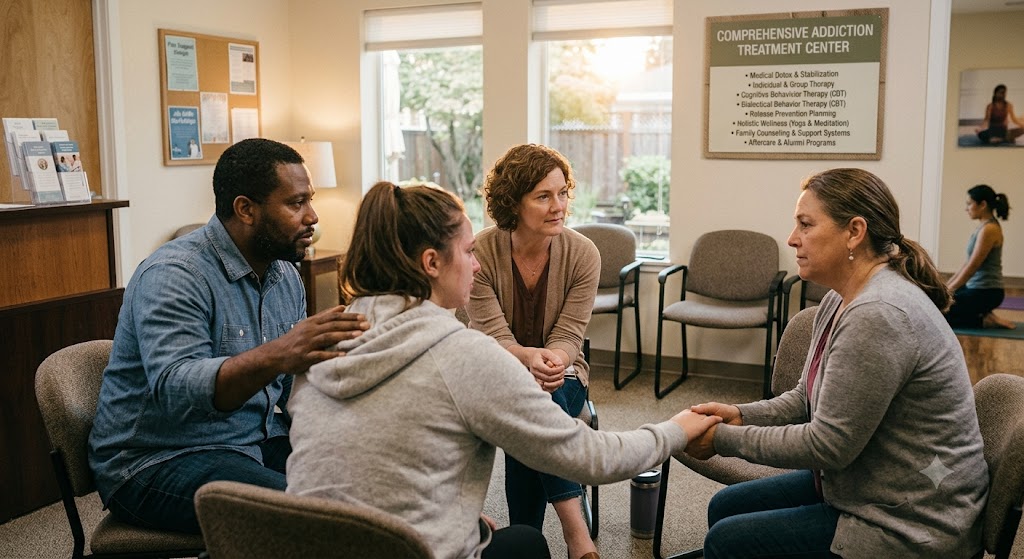

Serving With Grace: Why Whole Person Care Is Essential for Addiction and Mental Health Recovery

Addiction and mental health challenges rarely affect just one part of a person’s life. They can influence physical health, emotional well-being, relationships, career, spiritual outlook, and the ability to find joy in everyday living. Because these struggles are deeply interconnected, lasting recovery requires more than simply treating substance use. It calls for whole person care that recognizes every individual’s unique experiences and supports healing in mind, body, and spirit. At The Art of Servant Leadership, this compassionate approach guides every aspect of addiction recovery, combining professional treatment, faith-based support, holistic wellness, and individualized care to help people reclaim healthy, meaningful lives.

What Is Whole Person Care?

Whole person care is an approach that treats individuals as complete human beings rather than focusing solely on addiction or mental health symptoms. It recognizes that recovery involves physical healing, emotional growth, spiritual renewal, and healthy relationships working together.

Instead of asking only how to stop substance use, whole person care asks what each individual needs to build a stable, fulfilling future.

Looking Beyond Addiction

Substance use disorders often develop alongside depression, anxiety, trauma, grief, or overwhelming stress. Without addressing these underlying issues, recovery may become more difficult to sustain.

Whole person care seeks to understand the reasons behind addiction while helping individuals develop healthier ways to respond to life’s challenges.

Treating Every Individual With Dignity

Compassion is at the heart of meaningful recovery. Every person deserves to be treated with kindness, patience, and respect regardless of their past experiences.

A supportive environment helps individuals feel safe enough to participate fully in treatment, ask for help, and believe that change is possible.

The Connection Between Addiction and Mental Health

Mental health and addiction frequently influence one another. Individuals living with untreated emotional challenges may turn to substances to cope, while addiction itself often worsens mental health symptoms.

This cycle can only be broken through integrated treatment that addresses both conditions together.

Why Integrated Care Improves Recovery

When addiction recovery services and mental health treatment work together, individuals receive comprehensive support that addresses the root causes of substance use.

Therapy, counseling, and evidence-based treatment help individuals identify triggers, process trauma, improve emotional regulation, and build practical coping strategies that support long-term recovery.

Holistic Healing Supports Lasting Transformation

Whole person care includes holistic practices that strengthen every area of wellness. Recovery becomes more sustainable when individuals learn to care for themselves physically, emotionally, and spiritually.

Restoring Physical Health

Substance use can affect nearly every system in the body. Healthy nutrition, regular physical activity, quality sleep, and stress management help restore strength and improve overall well-being.

Physical wellness also contributes to improved concentration, emotional balance, and energy during recovery.

Promoting Emotional Wellness

Individual therapy, group counseling, and family support provide opportunities to explore difficult emotions while building healthier communication skills.

As emotional healing progresses, individuals often experience greater confidence, healthier relationships, and stronger resilience when facing life’s challenges.

Encouraging Spiritual Growth

Faith-based care offers many individuals a renewed sense of hope and purpose. Spiritual guidance encourages reflection, forgiveness, gratitude, and personal growth while complementing professional addiction and mental health treatment.

For many people, reconnecting with faith becomes an important source of strength throughout recovery.

Personalized Care Makes Every Recovery Journey Unique

No two people enter treatment with the same experiences, goals, or challenges. Personalized care ensures that recovery plans are developed around each individual’s specific needs.

Building Individualized Treatment Plans

Comprehensive assessments allow treatment professionals to create customized plans that may include:

  • Addiction recovery services
  • Mental health counseling
  • Individual and group therapy
  • Faith-based support
  • Holistic wellness activities
  • Family involvement
  • Relapse prevention planning
  • Long-term recovery support

This individualized approach provides flexibility while ensuring treatment remains meaningful as recovery progresses.

Inpatient and Outpatient Care Work Together

Recovery is an ongoing journey that often requires different levels of care over time.

Inpatient Treatment Creates Stability

Inpatient care offers a structured, supportive environment where individuals can focus entirely on healing. With professional guidance available throughout the day, clients begin developing healthy routines, coping skills, and emotional stability.

This stage provides a strong foundation for continued recovery.

Outpatient Care Encourages Independence

Outpatient programs allow individuals to continue therapy while returning to their families, careers, and communities. Ongoing counseling and accountability help reinforce healthy habits while providing continued support during life’s everyday challenges.

Together, inpatient and outpatient care create a seamless continuum that supports long-term recovery success.

Grace Creates Space for Healing

Grace is an essential part of servant leadership. It means meeting people with compassion instead of criticism and extending hope instead of judgment.

Many individuals entering recovery have experienced disappointment, broken trust, and feelings of failure. Grace reminds them that healing is still possible. It encourages progress rather than perfection and allows individuals to move forward one step at a time.

When treatment is grounded in grace, people begin to rediscover their value, rebuild confidence, and believe in a future beyond addiction.

Conclusion: Whole Person Care Builds a Stronger Future

Lasting recovery requires more than addressing substance use alone. It calls for comprehensive care that supports emotional health, physical wellness, spiritual growth, and meaningful personal transformation.

At The Art of Servant Leadership, whole person care is the foundation of compassionate addiction recovery. Through personalized treatment plans, integrated mental health services, inpatient and outpatient care, holistic healing, and faith-based support, individuals receive the guidance they need to restore hope and rebuild their lives.

If you or someone you love is struggling with addiction or mental health challenges, help is available. Reach out today to discover how whole person care can provide the support, healing, and encouragement needed to begin a lasting recovery journey.

Hope in Every Step: How Compassionate Addiction Recovery Helps People Rebuild Their Lives

Recovery is not defined by a single decision or one successful day. It is built through countless small steps that gradually restore health, confidence, relationships, and hope. For individuals living with addiction, taking that first step can feel overwhelming. Many are also carrying the weight of anxiety, depression, trauma, or other mental health challenges that make change seem impossible. Yet recovery is possible when compassionate care meets evidence-based treatment. At The Art of Servant Leadership, every step of the recovery journey is supported through personalized addiction recovery services, holistic mental health treatment, faith-based guidance, and a commitment to treating every individual with dignity and respect.

Recovery Begins With Compassion

Many people struggling with addiction believe they will be judged because of their past. Feelings of guilt, shame, and fear often prevent individuals from reaching out for help. Compassionate care changes that experience by creating an environment where people feel accepted, understood, and encouraged.

Recovery flourishes when individuals know they are more than their addiction. They are people with unique stories, strengths, and the ability to heal.

Creating a Safe Place for Healing

The first stage of recovery often involves learning to trust again. Compassionate professionals take time to listen without criticism and provide support without judgment.

This safe and welcoming environment allows individuals to speak honestly about their experiences, making it easier to identify the underlying causes of addiction and begin meaningful healing.

Restoring Confidence Through Encouragement

Recovery is filled with milestones, both large and small. Every positive decision deserves recognition because each one contributes to long-term progress.

Encouragement helps individuals build confidence while reinforcing the belief that lasting recovery is possible.

Addressing Addiction and Mental Health Together

Addiction frequently exists alongside mental health conditions such as depression, anxiety, trauma, or chronic stress. Attempting to treat substance use without addressing emotional health often leaves important issues unresolved.

An integrated approach helps individuals understand how addiction and mental health influence one another while developing healthier ways to cope with life’s challenges.

Treating the Whole Person

Comprehensive care focuses on emotional, physical, mental, and spiritual well-being. Rather than concentrating solely on substance use, treatment addresses every aspect of a person’s health.

This whole-person approach supports stronger recovery outcomes and reduces the likelihood of relapse.

Personalized Care Makes Recovery More Effective

Every recovery journey is different. Individuals enter treatment with unique experiences, personal goals, family situations, and medical histories. Personalized care ensures treatment reflects those individual needs.

Individualized Recovery Planning

A customized treatment plan begins with a comprehensive assessment of addiction history, mental health concerns, lifestyle, and recovery goals.

Treatment may include:

  • Individual counseling
  • Group therapy
  • Mental health services
  • Faith-based support
  • Family involvement
  • Relapse prevention planning
  • Holistic wellness activities

As individuals continue progressing, treatment plans evolve to support each stage of recovery.

Inpatient and Outpatient Care Provide Ongoing Support

Recovery is a process that benefits from the right level of care at the right time.

Inpatient Care Builds a Strong Foundation

Inpatient treatment offers a structured environment where individuals can focus entirely on healing. Professional support, therapy, education, and healthy daily routines provide stability during the early stages of recovery.

This level of care allows individuals to step away from outside distractions while learning essential coping skills.

Outpatient Care Encourages Continued Growth

Outpatient programs help individuals continue treatment while returning to work, school, and family responsibilities. Ongoing counseling and accountability provide consistent support as recovery becomes part of everyday life.

This gradual transition helps individuals build confidence while maintaining long-term progress.

Holistic and Faith-Based Healing Strengthen Recovery

True healing extends beyond physical sobriety. Holistic care recognizes that lasting recovery involves restoring balance throughout every area of life.

Caring for Mind, Body, and Spirit

Healthy nutrition, physical activity, quality sleep, stress management, and emotional wellness all contribute to successful recovery. These healthy habits improve resilience while supporting both mental and physical health.

Finding Hope Through Faith

For many individuals, faith provides strength during difficult moments. Faith-based care encourages forgiveness, gratitude, hope, and purpose while complementing professional addiction and mental health treatment.

Spiritual growth often helps individuals develop greater resilience as they continue building healthier lives.

Recovery Is About Rebuilding Lives

Healing involves much more than overcoming substance use. Recovery creates opportunities to restore relationships, rebuild trust, develop new life skills, and discover personal purpose.

With compassionate support, individuals begin replacing unhealthy habits with positive routines that encourage emotional wellness and lasting stability.

Every step forward strengthens confidence and creates momentum toward a healthier future.

Conclusion: Every Step Forward Is a Step Toward Hope

Recovery is not measured by perfection. It is measured by progress, perseverance, and the willingness to continue moving forward. Every step taken with compassionate support brings individuals closer to a life defined by health, purpose, and hope.

At The Art of Servant Leadership, compassionate addiction recovery is rooted in personalized care, holistic healing, faith-based guidance, and professional mental health treatment. Whether someone needs inpatient care, outpatient support, or ongoing counseling, every service is designed to help individuals rebuild their lives with confidence and dignity.

If you or someone you love is facing addiction or mental health challenges, you do not have to face them alone. Reach out today to begin a recovery journey where hope is present in every step and healing becomes the foundation for a brighter future.

From Brokenness to Recovery: Practical Ways to Serve Those Battling Addiction With Compassion and Care

Addiction affects far more than physical health. It can damage relationships, impact emotional well-being, weaken self-confidence, and leave individuals feeling trapped in a cycle of hopelessness. Families and loved ones often struggle alongside the person facing addiction, unsure of how to provide meaningful support. The journey from brokenness to recovery is rarely easy, but it is possible when compassionate care, professional treatment, and unwavering encouragement come together. At The Art of Servant Leadership, recovery is built on the belief that every individual deserves to be treated with dignity, respect, and personalized care that addresses the whole person.

Compassion Is the Foundation of Recovery

People struggling with addiction often carry heavy burdens of shame, guilt, and fear. Many have experienced repeated setbacks, damaged relationships, or untreated mental health conditions that make recovery feel impossible. Compassionate care helps break through these barriers by replacing judgment with understanding.

Serving those battling addiction begins by recognizing that addiction is a complex health condition, not a personal failure. When individuals are treated with empathy, they are more likely to trust the recovery process and remain engaged in treatment.

Listening Without Judgment

One of the most meaningful ways to serve someone in recovery is to listen. Many individuals have spent years feeling misunderstood or criticized. Taking the time to hear their experiences without interrupting or judging helps build trust and creates a safe environment for healing.

Compassionate listening also allows treatment providers and loved ones to better understand each person’s unique challenges and strengths.

Offering Hope Instead of Criticism

Recovery requires encouragement. Positive reinforcement helps individuals recognize their progress while building confidence to continue moving forward. Even small victories deserve recognition because they contribute to lasting change.

Hope reminds people that recovery is possible regardless of how difficult their past may have been.

Addressing Addiction and Mental Health Together

Substance use disorders frequently occur alongside anxiety, depression, trauma, or other mental health conditions. Treating addiction without addressing emotional wellness often leaves important issues unresolved.

Integrated care provides a more complete path to healing by focusing on both addiction recovery and mental health treatment at the same time.

Understanding the Root Causes

Every individual’s story is different. Some people develop addiction while coping with grief, trauma, chronic stress, or overwhelming emotional pain. Others struggle with untreated mental health disorders that contribute to substance use.

By identifying these underlying factors, treatment professionals can develop individualized care plans that promote lasting recovery.

Practical Ways to Support Recovery

Supporting someone through addiction recovery involves more than offering encouragement. It also requires practical actions that create stability, accountability, and healthy routines.

Encourage Professional Treatment

Professional addiction recovery services provide the structure and expertise needed to address both substance use and mental health concerns. Treatment options may include individual counseling, group therapy, family support, and evidence-based clinical care.

Seeking professional help is one of the most important steps toward lasting recovery.

Respect Individual Recovery Journeys

No two people recover in exactly the same way. Some individuals benefit from inpatient treatment, while others make meaningful progress through outpatient care. Recovery timelines also vary from person to person.

Supporting individualized care allows each person to heal at a pace that reflects their unique needs and circumstances.

Promote Healthy Daily Habits

Recovery is strengthened by healthy routines that support emotional and physical well-being. Encouraging balanced nutrition, regular exercise, quality sleep, and stress management helps individuals build resilience and maintain stability.

These habits also improve mental clarity and reduce many of the triggers associated with relapse.

The Value of Inpatient and Outpatient Care

Recovery often involves different levels of care as individuals progress through treatment.

Inpatient Treatment for Intensive Support

Inpatient care provides a structured environment where individuals can focus completely on healing. Away from outside distractions, they receive continuous professional support while developing coping skills and healthy routines.

This level of care is especially beneficial during early recovery or periods of significant crisis.

Outpatient Care for Long-Term Success

Outpatient treatment allows individuals to continue therapy while gradually returning to work, school, and family responsibilities. Regular counseling and recovery planning provide continued accountability and reinforce the skills learned during treatment.

Together, inpatient and outpatient care create a seamless continuum of support.

Holistic and Faith-Based Healing

Recovery involves healing the mind, body, and spirit. Holistic care recognizes that lasting transformation happens when every aspect of well-being is supported.

Faith-based care offers many individuals a renewed sense of hope, purpose, and strength. Spiritual guidance can help individuals rebuild their identity, strengthen resilience, and discover meaning beyond addiction.

Combined with evidence-based clinical treatment, holistic and faith-centered approaches create a balanced recovery experience that supports lifelong wellness.

Personalized Care Makes Recovery Stronger

Every individual deserves a treatment plan designed around their personal experiences and goals. Personalized care may include:

  • Comprehensive addiction and mental health assessments
  • Individual and group counseling
  • Holistic wellness services
  • Faith-based support
  • Family education and involvement
  • Relapse prevention planning
  • Long-term recovery guidance

By tailoring treatment to each person’s needs, recovery becomes more effective, engaging, and sustainable.

Conclusion: Serving With Compassion Creates Lasting Change

Recovery begins when individuals are treated with compassion, respect, and genuine care. Practical support, professional treatment, and personalized guidance can help transform lives that once seemed defined by addiction into lives filled with hope, stability, and renewed purpose.

At The Art of Servant Leadership, serving those battling addiction means walking beside them through every stage of healing. Through integrated addiction recovery services, mental health treatment, inpatient and outpatient care, holistic wellness, and faith-based support, individuals receive the tools and encouragement needed to build lasting recovery.

If you or someone you love is struggling with addiction or mental health challenges, do not wait to seek help. Reach out today to begin a recovery journey rooted in compassion, guided by experienced professionals, and focused on restoring hope for a healthier future.

Walking With Purpose: How Servant Leadership Supports Individuals Facing Addiction and Mental Health Challenges

Addiction and mental health challenges can leave individuals feeling lost, isolated, and uncertain about the future. Whether someone is struggling with substance use, anxiety, depression, trauma, or a combination of these concerns, the road to recovery often begins with one essential element: compassionate support. At The Art of Servant Leadership, recovery is about more than overcoming addiction. It is about walking alongside each individual with purpose, dignity, and genuine care. Through personalized treatment, holistic healing, faith-based guidance, and a commitment to servant leadership, individuals are empowered to reclaim their lives and build a healthier future.

Understanding the Connection Between Addiction and Mental Health

Substance use disorders and mental health conditions frequently occur together. Many individuals turn to alcohol or drugs in an attempt to manage emotional pain, traumatic experiences, chronic stress, or untreated mental health concerns. Over time, addiction can intensify these issues, creating a cycle that feels impossible to escape.

Breaking that cycle requires a comprehensive approach that addresses both addiction and mental health simultaneously. Treating one without the other often leaves important challenges unresolved.

Why Integrated Treatment Is Essential

Integrated treatment focuses on the whole person rather than isolated symptoms. By combining addiction recovery services with mental health treatment, individuals receive the support needed to understand the root causes of their struggles while developing healthier ways to cope.

This approach improves emotional well-being, strengthens resilience, and creates a stronger foundation for lasting recovery.

What Servant Leadership Means in Recovery

Servant leadership places people before programs. It is built on compassion, humility, respect, and a genuine commitment to helping others heal. Rather than focusing solely on treatment goals, servant leadership emphasizes relationships, trust, and individualized care.

Every interaction becomes an opportunity to encourage growth, restore confidence, and remind individuals that they are valued beyond their addiction.

Listening Before Leading

One of the defining qualities of servant leadership is active listening. Recovery professionals take time to understand each individual’s experiences, fears, and goals before creating a treatment plan.

When people feel heard and understood, they are more likely to engage in therapy, trust the recovery process, and remain committed to long-term healing.

Leading With Compassion

Compassion creates an environment where healing can flourish. Individuals entering treatment often carry shame, guilt, or fear about their past. A compassionate approach replaces judgment with encouragement, allowing people to focus on progress rather than perfection.

This supportive environment builds confidence and strengthens motivation throughout recovery.

Holistic Care That Supports Complete Healing

Recovery extends far beyond achieving sobriety. It involves restoring emotional health, physical wellness, spiritual growth, and healthy relationships.

A holistic approach recognizes that every part of a person’s well-being influences long-term recovery.

Caring for Mental and Emotional Health

Professional counseling, individual therapy, and group support help individuals process trauma, manage stress, and develop healthy coping skills. Mental health treatment equips people with practical tools to navigate life’s challenges without returning to substance use.

As emotional wellness improves, individuals often experience stronger relationships, greater self-awareness, and renewed confidence.

Restoring Physical Wellness

Substance use can significantly affect physical health. Recovery includes rebuilding healthy habits that support healing from the inside out.

Proper nutrition, consistent sleep, physical activity, and stress management all contribute to improved mood, clearer thinking, and greater overall well-being.

Finding Hope Through Faith-Based Care

Faith can provide strength during some of life’s most difficult moments. For many individuals, spiritual support offers comfort, purpose, and hope throughout recovery.

Faith-based care complements evidence-based treatment by encouraging forgiveness, personal growth, gratitude, and resilience while respecting each person’s unique journey.

Inpatient and Outpatient Care That Meets Individual Needs

Every recovery journey is different. Some individuals benefit from the structure of inpatient treatment, while others thrive through flexible outpatient care.

Inpatient Treatment for Stability

Inpatient programs provide a safe, supportive environment where individuals can focus entirely on healing. Away from daily triggers and distractions, they receive comprehensive care, therapy, and guidance from experienced professionals.

This level of support often provides the stability needed to begin meaningful recovery.

Outpatient Treatment for Continued Growth

Outpatient programs help individuals continue building recovery while managing responsibilities at home, work, or school. Ongoing counseling, group therapy, and relapse prevention planning reinforce healthy habits and provide continued accountability.

This gradual transition supports long-term success while allowing individuals to apply new skills in everyday life.

Personalized Care Creates Lasting Recovery

No two people experience addiction in the same way. Effective treatment recognizes each person’s unique circumstances, challenges, and strengths.

Individualized care plans may include:

  • Comprehensive addiction and mental health assessments
  • Individual and group counseling
  • Faith-based support
  • Holistic wellness services
  • Family involvement when appropriate
  • Relapse prevention strategies
  • Long-term recovery planning

This personalized approach helps ensure that treatment remains meaningful, flexible, and responsive throughout the recovery journey.

Recovery Is About Building a Better Future

Recovery is not simply about ending substance use. It is about creating a life filled with purpose, healthy relationships, emotional resilience, and renewed hope.

Through servant leadership, individuals learn that healing is possible even after years of struggle. They discover new ways to manage stress, strengthen their mental health, and embrace opportunities for personal growth.

Each step forward becomes part of a larger journey toward lasting transformation.

Conclusion: Walking Together Toward Healing and Hope

No one should have to face addiction or mental health challenges alone. Healing becomes possible when individuals are supported with compassion, respect, and personalized care that addresses every aspect of their well-being.

At The Art of Servant Leadership, servant leadership is more than a philosophy. It is the foundation for helping individuals overcome addiction, improve mental health, and build meaningful lives rooted in hope and purpose. Through holistic treatment, faith-based guidance, and individualized support, every person is given the opportunity to move beyond today’s challenges and toward a brighter future.

If you or someone you love is struggling with addiction or mental health concerns, help is available. Reach out today to begin a recovery journey guided by compassion, strengthened by faith, and supported every step of the way.