What True Support Looks Like: Helping the Addicted and Afflicted Find Lasting Recovery

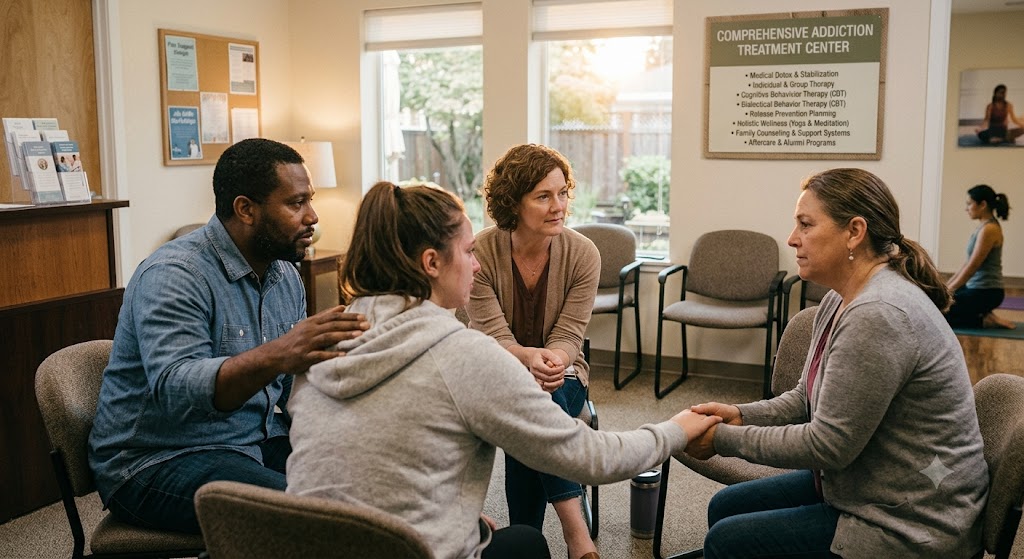
For individuals struggling with addiction and mental health challenges, the idea of “support” can feel unclear or even out of reach. Many have experienced judgment, isolation, or temporary solutions that did not lead to lasting change. True support in addiction recovery is different. It is consistent, compassionate, and designed to address the full scope of a person’s needs. At The Art of Servant Leadership, true support means walking alongside the addicted and afflicted with professional care, faith-based guidance, and personalized strategies that lead to lasting recovery.

Defining True Support in Addiction Recovery

True support goes beyond offering advice or short-term treatment. It involves building meaningful relationships, creating a safe environment, and providing the tools necessary for long-term healing. Individuals need to feel understood, respected, and empowered to take an active role in their recovery journey.

Creating a Foundation of Trust

Trust is essential in any recovery process. Many individuals enter treatment with hesitation due to past experiences or fear of judgment. A compassionate and consistent approach helps rebuild trust over time. When individuals feel safe, they are more likely to open up about their struggles and fully engage in treatment.

Addressing Mental Health and Addiction Together

Addiction and mental health are closely connected. Conditions such as anxiety, depression, and trauma often influence substance use. Effective support recognizes this connection and treats both simultaneously. Integrated care allows individuals to understand the root causes of their challenges and develop healthier coping mechanisms.

The Role of Holistic and Faith-Based Care

Lasting recovery requires more than symptom management. It requires healing the whole person. Holistic and faith-based approaches provide a deeper level of support that addresses emotional, physical, and spiritual well-being.

Supporting the Mind, Body, and Spirit

Holistic care includes therapy, wellness practices, and lifestyle changes that promote balance and stability. Physical health, emotional resilience, and spiritual growth all play a role in recovery. By addressing each of these areas, individuals are better equipped to maintain long-term sobriety.

Finding Purpose Through Faith

Faith-based support can help individuals rediscover purpose and meaning in their lives. Spiritual guidance encourages reflection, growth, and a renewed sense of direction. This sense of purpose often becomes a powerful motivator in maintaining recovery and overcoming challenges.

Inpatient and Outpatient Care: A Continuum of Support

Recovery is not a one-time event. It is a process that evolves over time, requiring different levels of care at different stages.

Structured Inpatient Treatment

Inpatient programs provide a focused environment where individuals can begin their recovery without outside distractions. With access to professional care and structured routines, individuals can stabilize and begin addressing underlying issues.

Ongoing Outpatient Care

Outpatient programs allow individuals to continue their recovery while returning to daily responsibilities. This level of care reinforces the skills learned in treatment and provides ongoing accountability. Consistent support during this stage is critical for preventing relapse and maintaining progress.

Practical Elements of True Support

True support is not only about philosophy. It is also about practical actions that help individuals build a stable and healthy life.

Personalized Care Plans

Each individual’s journey is unique. Personalized care plans ensure that treatment is tailored to specific needs, challenges, and goals. This approach increases engagement and helps individuals feel more invested in their recovery.

Building Healthy Coping Skills

Recovery involves learning how to manage stress, triggers, and emotions without relying on substances. Developing coping skills such as mindfulness, communication, and problem-solving helps individuals navigate daily challenges more effectively.

Strengthening Relationships and Community

Support from family, peers, and community members plays a vital role in recovery. Counseling, group therapy, and mentorship opportunities help rebuild trust and create a network of encouragement and accountability.

Conclusion: Taking the First Step Toward Lasting Recovery

True support in addiction recovery is compassionate, consistent, and centered on the whole person. It addresses mental health, builds trust, and provides the tools needed for lasting change. At The Art of Servant Leadership, this approach transforms lives by offering personalized, faith-based, and holistic care that meets individuals where they are and guides them toward a healthier future.

If you or a loved one is struggling with addiction or mental health challenges, help is available. Taking the first step can feel difficult, but it opens the door to lasting recovery and renewed hope. Reach out to The Art of Servant Leadership today to begin a journey supported by compassion, expertise, and a commitment to your long-term well-being.

Healing Through Service: A Holistic Approach to Addiction and Mental Health Recovery

Addiction and mental health challenges affect every part of a person’s life, including their physical health, emotional stability, relationships, and sense of purpose. Recovery is not simply about stopping substance use. It is about rebuilding a life rooted in stability, meaning, and hope. At The Art of Servant Leadership, healing through service means offering compassionate, holistic, and individualized care that supports the whole person through every stage of recovery.

Understanding Healing Through Service in Recovery

Healing through service is built on the idea that true recovery happens when individuals are supported with dignity, empathy, and consistent care. Instead of focusing only on symptoms, this approach prioritizes connection, trust, and long-term transformation. It recognizes that people heal best when they feel seen, valued, and supported by others who genuinely care.

Compassion as the Foundation of Recovery

Compassion is essential in addiction and mental health treatment. Many individuals entering recovery have experienced shame, isolation, or judgment. Compassionate care replaces that with understanding and encouragement. This shift helps individuals feel safe enough to engage in treatment and begin the healing process.

The Importance of Whole Person Care

Addiction is rarely just physical. It often involves underlying mental health conditions such as depression, anxiety, or trauma. Whole person care addresses all of these factors together. By treating the mind, body, and spirit as interconnected, recovery becomes more stable and sustainable over time.

A Holistic Approach to Addiction and Mental Health Recovery

Holistic recovery focuses on more than clinical treatment. It includes emotional healing, spiritual growth, physical wellness, and practical life skills. At The Art of Servant Leadership, this approach is designed to help individuals rebuild every aspect of their lives.

Integrating Faith-Based Support

Faith-based care offers hope and meaning during recovery. It helps individuals reconnect with their values and find strength in something greater than themselves. This spiritual foundation can provide comfort during difficult moments and motivation to continue the recovery journey.

Inpatient and Outpatient Treatment Options

Recovery is not a one-size-fits-all process. Some individuals require structured inpatient care, where they can focus fully on healing in a supportive environment. Others benefit from outpatient care, which allows them to continue treatment while returning to daily responsibilities. Together, these levels of care create a continuum that supports long-term stability.

Addressing Mental Health Alongside Addiction

Effective recovery must include mental health treatment. Conditions such as trauma, anxiety, and depression often contribute to substance use. By addressing these challenges together, individuals gain a clearer understanding of their struggles and develop healthier coping strategies.

The Role of Service in Personal Transformation

Serving others is not only part of the treatment philosophy. It is also a powerful part of personal recovery. When individuals begin to engage in their own healing and support others in similar journeys, they often experience increased purpose and motivation.

Building Connection and Community

Isolation is one of the greatest barriers to recovery. Healing through service encourages connection through group support, counseling, and peer relationships. These connections provide accountability, encouragement, and a sense of belonging that strengthens recovery outcomes.

Developing Practical Life Skills

Holistic recovery also focuses on practical skills that support long-term success. These include emotional regulation, stress management, communication skills, and healthy routine building. These tools empower individuals to navigate real-world challenges with confidence.

Personalized Care That Supports Lasting Recovery

Every recovery journey is unique. Personalized care ensures that treatment plans are tailored to each individual’s needs, goals, and experiences. This approach increases engagement and helps individuals feel more invested in their healing process.

Key Elements of Individualized Treatment

  • Comprehensive assessment of mental health and substance use
  • Customized therapy and counseling plans
  • Integration of faith-based and holistic practices
  • Structured support through inpatient or outpatient care
  • Ongoing guidance for relapse prevention and long-term recovery

These elements work together to create a strong foundation for lasting change.

Conclusion: Taking the First Step Toward Healing

Healing through service is about more than treatment. It is about walking alongside individuals with compassion, respect, and commitment to their growth. At The Art of Servant Leadership, holistic addiction and mental health recovery is built on connection, personalized care, and faith-centered support that helps individuals rebuild their lives with purpose.

If you or someone you love is struggling with addiction or mental health challenges, you do not have to face it alone. Reaching out is the first step toward healing, stability, and hope. Contact The Art of Servant Leadership today to begin a recovery journey rooted in compassion, holistic care, and lasting transformation.

Serving With Purpose: How Compassionate Care Changes the Lives of the Addicted and Afflicted

Addiction and mental health challenges can leave individuals feeling lost, disconnected, and overwhelmed. Many people enter recovery carrying not only the weight of substance use but also unresolved emotional pain, trauma, and a sense of hopelessness. True healing requires more than clinical treatment alone. It requires compassionate, purpose-driven care that meets individuals where they are and walks with them toward lasting recovery. At The Art of Servant Leadership, serving with purpose means combining professional expertise, holistic healing, and faith-based guidance to transform lives in meaningful and lasting ways.

The Power of Compassionate Care in Addiction Recovery

Compassionate care is not just a philosophy. It is a daily commitment to treat every individual with dignity, respect, and understanding. For those struggling with addiction, this approach can be life-changing. When individuals feel supported rather than judged, they are more likely to engage in treatment and remain committed to their recovery journey.

Building Trust Through Empathy

Trust is often fragile for individuals dealing with addiction and mental health issues. Past experiences may have created barriers that make it difficult to open up or accept help. Compassionate care focuses on empathy and consistency, allowing trust to develop over time. This trust becomes the foundation for meaningful progress in treatment.

Addressing Mental Health Alongside Addiction

Addiction rarely exists in isolation. Many individuals also struggle with anxiety, depression, or trauma. Effective recovery requires an integrated approach that addresses both substance use and mental health. By treating these challenges together, individuals gain a clearer understanding of their behaviors and develop healthier ways to cope with stress and emotional pain.

A Holistic Approach to Healing

Healing is most effective when it addresses the whole person. A holistic approach considers physical health, emotional well-being, and spiritual growth. This comprehensive model supports long-term recovery by strengthening every aspect of an individual’s life.

Faith-Based Support and Purpose

Faith-based care can provide a powerful sense of direction and hope. For many individuals, reconnecting with spiritual beliefs helps restore meaning and purpose. This sense of purpose becomes a guiding force, encouraging individuals to stay committed to recovery even during difficult moments.

Wellness and Lifestyle Practices

Holistic recovery also includes practical lifestyle changes. Nutrition, exercise, mindfulness, and stress management all play a role in improving overall well-being. These practices help individuals regain balance and build a healthier foundation for their future.

Inpatient and Outpatient Care: A Continuum of Support

Recovery is a process that evolves over time. Different stages require different levels of care, and a structured continuum ensures that individuals receive the right support at the right time.

Structured Inpatient Treatment

Inpatient programs provide a safe and supportive environment where individuals can focus entirely on recovery. With access to professional care, therapy, and structured routines, individuals can stabilize and begin addressing the root causes of addiction.

Ongoing Outpatient Support

As individuals progress, outpatient care allows them to continue treatment while reintegrating into daily life. This phase focuses on maintaining accountability, practicing coping strategies, and strengthening independence. Continued support during this stage is essential for preventing relapse and sustaining progress.

Personalized Care That Makes a Difference

No two recovery journeys are the same. Personalized care ensures that treatment plans are tailored to each individual’s unique needs, experiences, and goals. This approach increases engagement and helps individuals feel empowered in their recovery.

Practical Steps for Lasting Change

Serving with purpose involves providing actionable tools that individuals can use every day:

  • Developing healthy coping mechanisms for stress and triggers
  • Participating in therapy and support groups consistently
  • Rebuilding relationships through family counseling and communication
  • Engaging in faith-based or community support for encouragement
  • Setting realistic goals and celebrating progress along the way

These steps create a strong foundation for lasting recovery and personal growth.

Conclusion: Taking the First Step Toward Transformation

Serving the addicted and afflicted requires more than treatment. It requires purpose, compassion, and a commitment to walking alongside individuals through every stage of recovery. At The Art of Servant Leadership, this approach transforms lives by addressing the whole person and providing the tools needed for long-term success.

If you or a loved one is struggling with addiction or mental health challenges, help is available. Taking the first step can feel difficult, but it is the beginning of meaningful change. Reach out to The Art of Servant Leadership today to learn how compassionate, personalized care can guide you toward healing, hope, and a renewed sense of purpose.

Walking Beside the Addicted: Personalized Care That Transforms Lives

Addiction is a journey marked by struggle, uncertainty, and profound personal challenges. Recovery is rarely achieved through a single intervention. True healing requires consistent support, individualized strategies, and a compassionate approach that addresses both mental health and substance use. At The Art of Servant Leadership, walking beside the addicted means providing personalized care that empowers individuals to rebuild their lives, restore hope, and achieve lasting transformation.

Understanding Personalized Care in Addiction Recovery

Personalized care recognizes that each individual’s experience with addiction is unique. Factors such as mental health history, past trauma, lifestyle, and personal goals shape how treatment should be approached. By tailoring care to the individual, professionals can address specific needs while providing tools and guidance that foster resilience and long-term recovery.

The Importance of Holistic Treatment

Holistic treatment goes beyond managing physical dependence. It addresses emotional, spiritual, and social well-being, integrating therapies that support the whole person. Holistic approaches may include counseling, mindfulness practices, nutrition guidance, physical wellness programs, and faith-based support. This multidimensional care ensures that recovery is comprehensive and sustainable.

Inpatient and Outpatient Care: Meeting Individuals Where They Are

Structured inpatient programs provide a safe environment for individuals to focus entirely on recovery. Here, patients receive intensive therapy, medical support, and life skills training, allowing them to stabilize and build a foundation for change.

Transitioning to Outpatient Support

Outpatient programs allow individuals to continue healing while reintegrating into daily life. By participating in ongoing therapy, support groups, and mentorship programs, individuals maintain accountability and apply the coping strategies learned during inpatient care. This continuum of care ensures recovery remains consistent and adaptable to changing needs.

Faith-Based Guidance and Emotional Support

Faith-based approaches can be instrumental in promoting resilience and purpose during recovery. Spiritual guidance helps individuals reconnect with personal values, cultivate hope, and develop a deeper sense of meaning in their lives. When combined with professional counseling and peer support, faith-centered care reinforces emotional stability and long-term commitment to sobriety.

Active Listening and Empathy

Walking beside someone in recovery requires more than providing treatment. It requires listening actively, validating experiences, and responding with empathy. These elements build trust and encourage individuals to engage fully in their recovery journey, increasing the likelihood of lasting change.

Practical Steps for Transformative Recovery

Personalized care involves actionable strategies that individuals can implement daily to strengthen recovery:

  • Creating individualized treatment plans based on unique needs and goals
  • Developing healthy coping mechanisms for stress, cravings, and triggers
  • Rebuilding family and social connections through counseling and mentorship
  • Participating in holistic practices that support mind, body, and spirit
  • Engaging with faith-based communities for encouragement and guidance

These steps empower individuals to take ownership of their recovery, develop self-confidence, and maintain long-term sobriety.

Taking the Next Step

Recovery is a journey best traveled with support, understanding, and guidance tailored to each individual. At The Art of Servant Leadership, walking beside the addicted means offering professional, holistic, and faith-based care that transforms lives.

If you or a loved one is struggling with addiction or co-occurring mental health challenges, reaching out is the first step toward lasting recovery. Contact The Art of Servant Leadership today to begin a personalized journey toward healing, hope, and renewed purpose.

From Struggle to Strength: Faith-Based Approaches for Lasting Recovery

Addiction is more than a physical challenge. It affects mental, emotional, and spiritual well-being, often leaving individuals feeling isolated, discouraged, and unsure of the path forward. Recovery requires more than medical intervention; it requires compassionate guidance, holistic care, and a framework that nurtures both the mind and the spirit. At The Art of Servant Leadership, faith-based approaches play a central role in helping individuals move from struggle to strength, offering hope, purpose, and lasting transformation.

The Role of Faith in Recovery

Faith can provide stability and meaning in the recovery process. For many individuals, reconnecting with spiritual beliefs restores hope and offers a guiding framework during difficult moments. Faith-based approaches do not replace clinical care, but they complement it, providing emotional and spiritual support alongside therapy, counseling, and medical treatment.

How Spiritual Guidance Supports Healing

Integrating faith into recovery helps individuals:

  • Rebuild a sense of purpose and direction
  • Cultivate hope and resilience during setbacks
  • Strengthen personal values that support healthy choices
  • Connect with supportive communities that reinforce accountability

By addressing the spiritual dimension, faith-based care promotes holistic healing and helps individuals develop tools for long-term recovery.

Holistic Care for the Whole Person

Recovery is most effective when it addresses all aspects of an individual’s life. Holistic care considers physical health, mental well-being, emotional resilience, and spiritual growth. At The Art of Servant Leadership, holistic approaches include counseling, wellness activities, mindfulness practices, and faith-centered support that together promote lasting transformation.

Integrated Inpatient and Outpatient Programs

Structured inpatient programs offer a safe environment for intensive therapy, education, and stabilization. Outpatient programs allow individuals to apply the skills they have learned while reintegrating into daily life. This combination ensures continuity of care, providing support at every stage of recovery and empowering individuals to sustain progress over the long term.

Personalized Treatment Plans

No two recovery journeys are the same. Individualized treatment plans address each person’s unique needs, mental health conditions, and personal goals. Tailoring care to the individual allows for targeted therapy, skill-building, and spiritual guidance that fosters confidence, resilience, and independence.

Practical Steps for Lasting Recovery

Faith-based recovery is most effective when paired with actionable strategies that promote healthy living and emotional growth:

  • Participate consistently in therapy and support groups
  • Develop coping mechanisms for stress, triggers, and emotional challenges
  • Rebuild relationships through family counseling and mentorship
  • Engage in spiritual practices that nurture hope, reflection, and purpose
  • Establish routines and life skills that support long-term sobriety

These steps provide a strong foundation for individuals to move from struggling to thriving, combining practical recovery tools with spiritual and emotional support.

Community and Connection

Isolation can undermine recovery. Faith-based and holistic programs emphasize community support, connecting individuals with peers, mentors, and spiritual leaders who offer encouragement, accountability, and shared experiences. These connections foster belonging, resilience, and sustained growth.

Taking the First Step Toward Strength

Moving from struggle to strength requires more than willpower. It requires guidance, compassion, and care that addresses the mind, body, and spirit. At The Art of Servant Leadership, faith-based approaches are integrated with professional, holistic, and individualized support to help individuals achieve lasting recovery.

If you or a loved one is struggling with addiction or co-occurring mental health challenges, reaching out for help is the first step toward transformation. Contact The Art of Servant Leadership today to begin a recovery journey that blends faith, holistic care, and professional guidance to restore hope, purpose, and strength.

Guiding the Afflicted: Practical Steps for Holistic Addiction Recovery

Addiction is more than a physical dependency. It affects mental, emotional, and spiritual well-being, often leaving individuals feeling isolated and overwhelmed. True recovery requires more than just treatment for symptoms—it requires a comprehensive, compassionate approach that addresses the whole person. At The Art of Servant Leadership, we guide the afflicted through holistic, faith-based, and individualized care, helping them reclaim purpose, restore hope, and achieve lasting recovery.

Understanding Holistic Addiction Recovery

Holistic addiction recovery recognizes that substance use disorders are interconnected with mental health, lifestyle, and personal circumstances. By addressing these factors together, recovery becomes more effective and sustainable. Holistic approaches focus on the mind, body, and spirit, emphasizing emotional healing, healthy routines, spiritual growth, and practical life skills.

Why Mental Health Matters

Many individuals struggling with addiction also face co-occurring mental health challenges such as anxiety, depression, or trauma. Ignoring these issues can hinder recovery and increase the risk of relapse. Integrated mental health support ensures that treatment addresses underlying causes, providing tools to manage emotions, stress, and triggers effectively.

Faith-Based Support in Recovery

Faith can be a powerful source of resilience and motivation. Spiritual guidance helps individuals reconnect with their values, find purpose, and cultivate hope. At The Art of Servant Leadership, faith-based support is seamlessly integrated with clinical and holistic care, creating a balanced approach that nurtures both the spirit and the mind.

Practical Steps for Holistic Recovery

Recovery is a journey that requires actionable strategies, consistent support, and personalized guidance. Here are practical steps that individuals can take to build a strong foundation for lasting change:

Engage in Comprehensive Assessment

The first step in holistic recovery is a thorough assessment of physical health, mental well-being, and personal circumstances. This evaluation helps identify co-occurring disorders, triggers, and individual strengths, guiding the creation of a personalized recovery plan.

Participate in Structured Inpatient and Outpatient Programs

Inpatient programs provide a structured, supportive environment for intensive therapy and stabilization. Outpatient programs allow individuals to apply the skills they have learned while reintegrating into daily life. Combining these approaches ensures continuity of care and reinforces long-term success.

Develop Life Skills and Coping Strategies

Recovery is about more than abstinence. Individuals need tools to navigate stress, relationships, and everyday challenges. Life skills training, coping strategies, and relapse prevention plans empower individuals to respond to triggers effectively and build confidence in their ability to maintain sobriety.

Build a Supportive Community

Isolation can be a major barrier to recovery. Peer support groups, mentorship programs, and family counseling foster connection, accountability, and encouragement. A supportive community provides guidance, shared experiences, and a sense of belonging that strengthens resilience.

Integrate Holistic Practices

Holistic practices such as mindfulness, nutrition, physical activity, and creative expression contribute to overall well-being. These activities support emotional balance, reduce stress, and enhance self-awareness, complementing traditional therapy and medical care.

Personalized Care for Lasting Transformation

No two recovery journeys are identical. Individualized treatment plans allow professionals to address specific needs, goals, and challenges. Servant leadership in recovery emphasizes walking alongside each person, offering guidance and encouragement while empowering them to take ownership of their healing.

Conclusion: Taking the First Step Toward Wholeness

Holistic addiction recovery is a multi-dimensional journey that requires compassion, expertise, and personalized care. At The Art of Servant Leadership, we provide comprehensive support that addresses mental health, spiritual growth, and practical life skills. By combining professional guidance with faith-based and holistic strategies, individuals can move from struggle to restoration, building resilience and hope along the way.

If you or a loved one is facing addiction or co-occurring mental health challenges, reaching out for help is the first step toward lasting recovery. Contact The Art of Servant Leadership today to begin a journey toward wholeness, purpose, and renewed life.

Compassion in Action: How Servant Leadership Supports Those Battling Addiction

Addiction is more than a physical dependency. It is a deeply personal struggle that affects emotional well-being, relationships, and overall quality of life. Recovery requires more than clinical treatment—it requires compassion, understanding, and a commitment to walk alongside individuals through every stage of healing. At The Art of Servant Leadership, we embrace a servant-hearted approach that combines professional care, holistic practices, and faith-based guidance to support those battling addiction in a way that fosters lasting transformation.

Understanding the Servant Leadership Approach in Recovery

Servant leadership focuses on putting the needs of others first. In the context of addiction recovery, this means creating an environment where individuals feel heard, respected, and empowered. Rather than simply directing treatment, servant leadership emphasizes collaboration, trust, and personalized support.

The Role of Compassion in Healing

Compassion is the cornerstone of effective care. Many individuals struggling with addiction have faced stigma, judgment, or isolation. Demonstrating genuine empathy encourages openness, builds trust, and strengthens engagement in the recovery process. When people feel understood, they are more likely to embrace the tools, guidance, and strategies offered during treatment.

Active Listening as a Tool for Support

Active listening is an essential practice in servant leadership. By attentively hearing each individual’s story without judgment, professionals can identify underlying issues such as trauma, co-occurring mental health conditions, or emotional stressors. This allows for tailored treatment plans that address both addiction and mental health needs, creating a holistic path toward recovery.

Holistic and Faith-Based Strategies

Recovery is most effective when it addresses the whole person. Holistic approaches consider physical, emotional, and spiritual health. Faith-based guidance adds an additional layer of support by fostering hope, resilience, and purpose in the recovery journey.

Integrating Inpatient and Outpatient Care

Structured inpatient programs offer a safe and supportive environment for intensive therapy and stabilization. Outpatient care allows individuals to continue healing while reintegrating into daily life. By combining these levels of care, The Art of Servant Leadership ensures that individuals receive continuous, compassionate support tailored to their progress and needs.

Personalized Treatment Plans

No two journeys in recovery are the same. Personalized care plans account for each individual’s unique history, challenges, and goals. By adapting therapy, counseling, and wellness strategies to the person, the care team empowers individuals to take ownership of their recovery and develop sustainable coping skills.

Practical Ways to Serve and Support Individuals

Serving those struggling with addiction involves practical, actionable steps that build resilience and confidence:

  • Encouraging consistent participation in therapy and support groups
  • Teaching stress management and healthy coping mechanisms
  • Rebuilding family and community relationships through counseling and education
  • Offering mentorship, peer support, and accountability networks
  • Integrating faith-based practices to reinforce hope and purpose

These approaches combine compassion with structure, helping individuals navigate the challenges of recovery while fostering self-efficacy and long-term well-being.

Moving Forward With Compassion

Addiction recovery is not a solitary journey. With servant leadership, individuals gain more than treatment—they gain compassionate guidance, holistic support, and the encouragement to reclaim their lives. At The Art of Servant Leadership, every interaction is an opportunity to walk alongside someone in need, providing professional care rooted in empathy and respect.

If you or a loved one is struggling with addiction or co-occurring mental health challenges, taking the first step toward support can be life-changing. Contact The Art of Servant Leadership today to learn how compassionate, faith-based, and personalized care can guide you toward lasting recovery and renewed hope.

Walking With the Struggling: Compassionate Approaches to Serving the Addicted and Afflicted

Addiction and mental health challenges are deeply personal battles that affect not only the individual but also their families and communities. Healing is rarely achieved through medical treatment alone. True recovery requires compassion, understanding, and a holistic approach that addresses the mind, body, and spirit. At The Art of Servant Leadership, serving the addicted and afflicted means walking alongside them with professional guidance, faith-based support, and individualized care designed to foster lasting transformation.

Understanding the Journey of Addiction and Affliction

Every recovery journey is unique. Addiction rarely occurs in isolation. It often coexists with mental health struggles such as anxiety, depression, or past trauma. Recognizing this interconnectedness is essential for effective care. When individuals feel seen, heard, and respected, they are more likely to engage fully in the recovery process and develop the resilience necessary for long-term success.

The Importance of Compassionate Listening

Compassionate listening is a foundational aspect of servant-centered care. Many people struggling with addiction have experienced judgment, misunderstanding, or isolation. Listening attentively allows caregivers and professionals to understand each person’s challenges, fears, and goals. It creates a safe environment where healing can begin and encourages openness and trust between the individual and their care team.

Holistic and Faith-Based Approaches to Recovery

Addressing addiction and mental health challenges requires a comprehensive approach that goes beyond therapy and medication. Holistic care considers the emotional, physical, and spiritual dimensions of recovery. This can include counseling, wellness activities, nutrition guidance, mindfulness practices, and faith-based support that nurtures hope and purpose.

Integrating Inpatient and Outpatient Care

Recovery often involves a combination of structured inpatient programs and flexible outpatient care. Inpatient treatment offers a supportive environment where individuals can focus on intensive therapy and healing. Outpatient care allows individuals to reintegrate into daily life while continuing to receive professional guidance, group support, and accountability. Both levels of care are vital components of a continuum that encourages lasting success.

Personalized Care for Lasting Transformation

No two recovery journeys are the same. Individualized treatment plans allow professionals to address each person’s specific needs, challenges, and goals. By tailoring therapy, mental health support, and holistic interventions to the individual, caregivers empower them to take ownership of their recovery and develop skills for long-term stability.

Practical Strategies for Supporting Recovery

Serving those struggling with addiction requires actionable steps that foster healing and resilience. Some practical approaches include:

  • Encouraging active participation in therapy and support groups
  • Teaching healthy coping mechanisms for stress and triggers
  • Rebuilding family relationships through counseling and education
  • Providing mentorship and peer support to reinforce accountability
  • Offering faith-based guidance to strengthen purpose and hope

These strategies help individuals build confidence, emotional resilience, and a strong foundation for sustainable recovery.

Walking Together Toward Healing

Recovery is a journey, not a destination. At The Art of Servant Leadership, walking with the addicted and afflicted means offering professional expertise, compassionate guidance, and holistic, faith-based care. Every step taken together helps individuals reclaim their lives, restore hope, and move toward lasting wholeness.

If you or a loved one is struggling with addiction or mental health challenges, reaching out for help is the first step toward transformation. Contact The Art of Servant Leadership today to learn how our compassionate, individualized approach can support a journey from struggle to lasting recovery.

Bridging Hearts and Healing: Practical Ways to Serve Individuals Battling Addiction and Co‑Occurring Challenges

Addiction does not exist in isolation. Many individuals struggling with substance use are also facing co‑occurring mental health challenges such as anxiety, depression, or trauma. Recovery in these cases requires more than standard treatment—it requires a compassionate, holistic approach that addresses the whole person. At The Art of Servant Leadership, serving those battling addiction means combining professional care, faith-based guidance, and individualized strategies to support lasting healing.

Understanding Co‑Occurring Challenges

Co‑occurring disorders occur when an individual experiences both a substance use disorder and a mental health condition. These challenges are deeply interconnected: untreated mental health issues can increase the risk of addiction, and addiction can exacerbate emotional and psychological struggles. Effective care requires an integrated approach that addresses both simultaneously.

Why Holistic Care is Essential

Holistic care considers the mind, body, and spirit in the recovery process. At The Art of Servant Leadership, we integrate therapy, counseling, physical wellness, and faith-based support. This approach ensures that individuals are treated as complete human beings, not just a set of symptoms.

Practical Ways to Serve Those in Recovery

Serving individuals in recovery goes beyond clinical treatment. It involves consistent compassion, active listening, and actionable support strategies. Here are practical ways to make a meaningful difference:

Active Listening and Emotional Support

Many people entering recovery have experienced judgment or misunderstanding. Listening attentively without interruption or criticism creates safety and trust. Emotional support is a cornerstone of servant-hearted care, empowering individuals to share openly and engage fully in their healing journey.

Personalized Treatment Plans

No two recovery journeys are the same. Personalized care plans account for each individual’s history, mental health needs, and personal goals. This includes determining the right balance of inpatient and outpatient care, therapy sessions, and holistic practices to optimize recovery.

Integrating Faith and Community

Faith-based guidance and community involvement provide encouragement and a sense of purpose. Group sessions, mentorship, and spiritual support help individuals reconnect with their values and build resilience. These elements foster hope and reinforce the skills learned in therapy.

Life Skills and Coping Strategies

Recovery involves developing practical skills to navigate daily life without reliance on substances. Teaching stress management, emotional regulation, and problem-solving helps individuals respond to triggers and challenges in healthy ways. Consistently applying these skills strengthens long-term recovery and confidence.

Family and Relationship Support

Addiction affects entire families and communities. Involving loved ones in therapy, counseling, and educational sessions helps rebuild trust and strengthen relationships. This relational support network enhances emotional stability and creates accountability during the recovery process.

Creating Lasting Change Through Servant Leadership

Servant leadership in addiction recovery is about more than directing care—it is about walking alongside individuals, empowering them, and providing consistent, compassionate support. When faith, holistic care, and individualized strategies converge, recovery becomes a journey of growth, resilience, and hope.

Taking the Next Step Toward Healing

Supporting those battling addiction and co-occurring challenges requires heart, expertise, and dedication. At The Art of Servant Leadership, we offer professional guidance, faith-based care, and individualized programs to help individuals rebuild their lives. Recovery is possible, and no one should face it alone.

If you or a loved one is struggling with addiction or co-occurring mental health challenges, reaching out for help is the first step toward lasting healing. Contact The Art of Servant Leadership today to begin a recovery journey grounded in compassion, understanding, and hope.

Faith, Recovery, and Resilience: Guiding the Addicted and Afflicted Toward Wholeness

Recovery from addiction is not just about overcoming substance use. It is about reclaiming life, restoring hope, and rebuilding resilience. For individuals struggling with addiction and co-occurring mental health challenges, a journey toward wholeness requires more than clinical treatment—it requires compassionate guidance, faith-based support, and holistic care. At The Art of Servant Leadership, we believe that faith, recovery, and resilience work together to help individuals move from surviving to thriving.

The Role of Faith in Healing

Faith can be a powerful source of strength and stability in recovery. For many individuals, spiritual connection provides hope during difficult times, a sense of purpose, and the motivation to persist through challenges. Faith-based guidance does not replace medical or psychological care, but it complements these approaches by nurturing the spirit and promoting inner transformation.

Integrating Spiritual and Clinical Care

At The Art of Servant Leadership, we integrate faith with evidence-based addiction recovery and mental health treatment. This integration allows individuals to explore personal beliefs, reflect on values, and find meaning in the recovery process. Combining spiritual practices with therapy, counseling, and support groups fosters a holistic approach that addresses the mind, body, and spirit.

Building Resilience Through Personalized Care

Resilience is the ability to adapt to challenges and recover from setbacks. In recovery, resilience is essential for navigating triggers, managing stress, and maintaining long-term sobriety. Personalized care plays a key role in building resilience.

Individualized Treatment Plans

Every recovery journey is unique. Effective care recognizes individual needs, experiences, and goals. At The Art of Servant Leadership, treatment plans are tailored to each person, addressing addiction, mental health concerns, and personal growth. By focusing on individualized strategies, we help individuals develop coping skills and confidence that support lasting recovery.

Developing Practical Life Skills

Resilience is strengthened through practical tools and strategies. Our programs teach healthy coping mechanisms, stress management, and life skills that empower individuals to navigate daily challenges. Learning these skills reduces the risk of relapse and supports sustained personal growth.

Holistic Approaches to Lasting Recovery

Recovery is most effective when it addresses the whole person. Holistic approaches consider emotional, physical, and spiritual health. This includes therapy, wellness activities, mindfulness practices, nutrition guidance, and support for building meaningful relationships.

Inpatient and Outpatient Support

Structured inpatient programs provide a safe environment for intensive therapy and recovery work, while outpatient programs allow individuals to apply these skills in everyday life. Both levels of care emphasize consistency, support, and accountability. Transitioning smoothly between inpatient and outpatient care ensures that individuals continue to receive the guidance and encouragement needed for long-term success.

Encouraging Community and Connection

Isolation can be a major barrier to recovery. Community support, peer groups, and mentorship opportunities provide encouragement, accountability, and shared experience. These connections foster hope, reinforce resilience, and remind individuals that they are not alone in their journey.

Faith, Recovery, and Resilience in Action

When faith, personalized care, and resilience-building come together, recovery becomes more than abstinence. It becomes a journey toward wholeness, purpose, and empowerment. Individuals learn to navigate challenges, embrace growth, and build meaningful lives beyond addiction.

Taking the Next Step Toward Wholeness

Addiction and mental health struggles do not define a person. With faith-centered, holistic, and individualized care, recovery is possible and sustainable. At The Art of Servant Leadership, we guide individuals with compassion, expertise, and a commitment to the whole person.

If you or a loved one is struggling with addiction or mental health challenges, reaching out is the first step toward wholeness. Contact The Art of Servant Leadership today to begin a recovery journey grounded in faith, supported by compassionate care, and built on resilience.